Recordings will be made available for those unable to attend the live sessions!
The ancient Egyptians saw a divine presence in many different aspects of the natural world. For example, the sun god crossing the sky every day or the annual mystery of the inundation of the River Nile, and they often explained these phenomena using myths. They were also extremely skilful creators of both royal and private monuments, which had a variety of 'sacred' purposes, and some of which were built on a spectacular scale.
In this course, we shall examine a series of key monuments which reflect a sophisticated merging of myth, the natural world, and innovative architecture. Our focus will be on the New Kingdom (c. 1550–1069 BCE), especially the Ramesside Period (c. 1295–1069 BCE), which has produced some of the most spectacular examples of ‘sacred landscape’ at monument-rich sites such as Heliopolis, Thebes and Abydos. Most of our examples will come from Egypt itself, although we shall also examine aspects of Ramesses II’s Nubian temples.
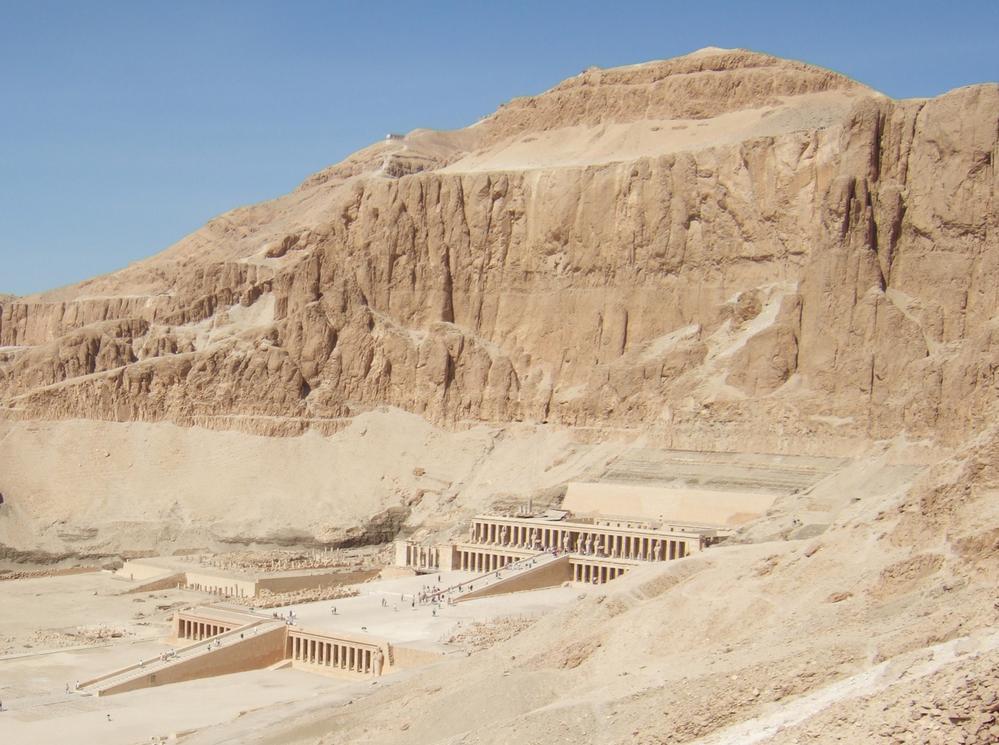
Mortuary Temples of Hatshepsut (foreground) and Mentuhotep II (background) at Deir el-Bahari, on the west bank of Thebes, (Photo: Steven Snape).
Participants will develop an enhanced understanding of religious life in New Kingdom Egypt, especially during the reign of Ramesses II. They will learn about the ways in which educated Egyptians of the New Kingdom interpreted the world around them – especially the natural environment and the monuments of ancient kings – and used it in a series of remarkable ways.

A basic knowledge of Egyptian history and geography is assumed. However, individual buildings, objects and people will be examined within a broader religious and social context each week. So, there will be plenty of background explanation as well as a detailed exploration of our chosen material.
Tutor

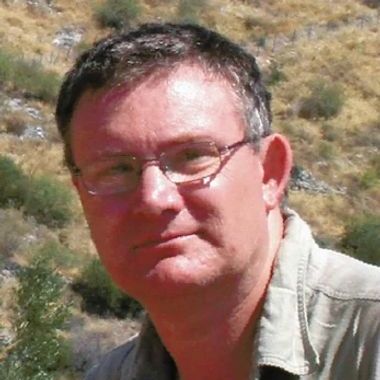
Professor Steven Snape
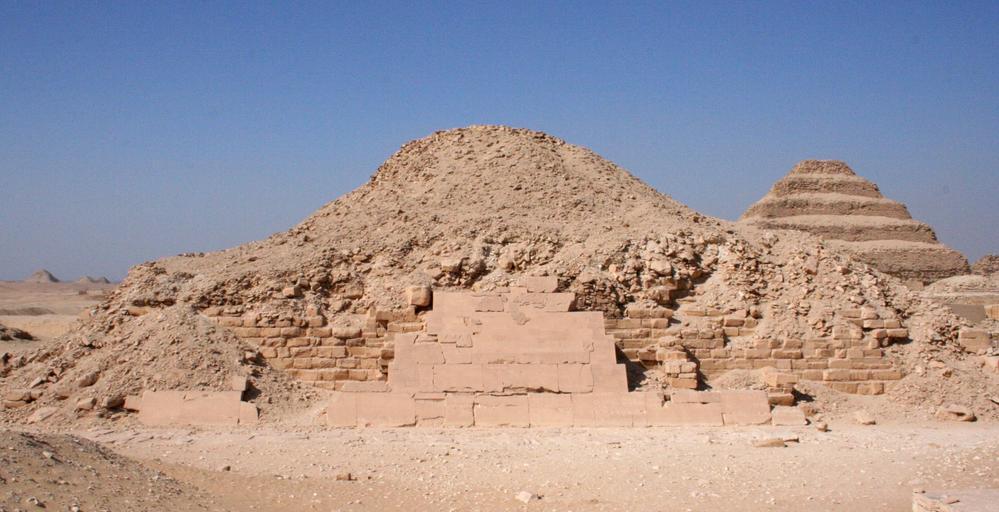
View of the Saqqara necropolis, featuring the Pyramid of Unas and (in the background) the Step Pyramid of Djoser, (Photo: Steven Snape).
Course Outline
Please note that main content will be delivered between 18:00-19:30, though some optional participation (quizzes, Q&A, etc.) may continue beyond that time.
Thursday 23 April 2026, 18:00-19:30 (UK time)
Week One - Understanding Sacred Landscape
We shall begin our investigation of Sacred Landscape in New Kingdom Egypt by exploring the ways in which the temple of Deir el-Bahri was designed to serve a range of different functions, both during the reign of Hatshepsut and later.
Thursday 30 April 2026, 18:00-19:30 (UK time)
Week Two - Monuments for the Sun God
The sun was the most important aspect of the natural world, and its nature and religious role were interpreted in different ways. This week, we shall explore aspects of this, especially looking at Heliopolis and obelisks.
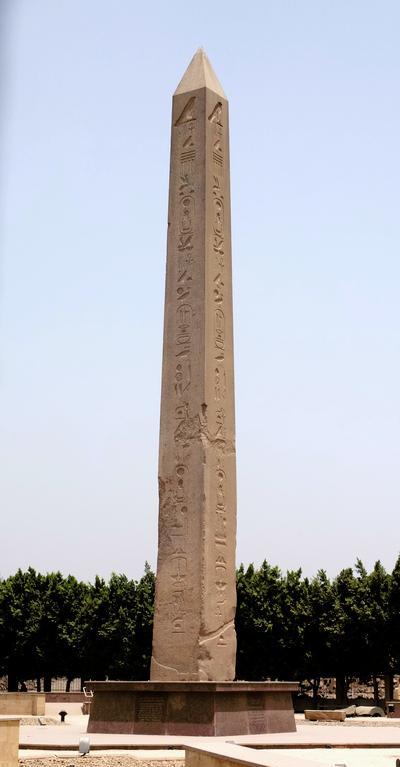
Obelisk of Senwosert I at the site of Heliopolis, (Photo: Steven Snape).
Thursday 7 May 2026, 18:00-19:30 (UK time)
Week Three - Abydos in the Ramesside Period
Abydos is probably the best example of a sacred landscape from ancient Egypt. It was in use for the best part of 3,000 years, mainly through its function as the burial place of the god Osiris. This week we shall explore the ways in which Abydos was important to Egyptians of the New Kingdom, especially Seti I, Ramesses II and Merenptah.
Thursday 14 May 2026, 18:00-19:30 (UK time)
Week Four - Colossal Statues
The colossal statues of himself, which Ramesses II erected in front of his temples, are extraordinary technical achievements, but also an important way in which he made his divine presence accessible to the public. This week, we shall see how he did this.
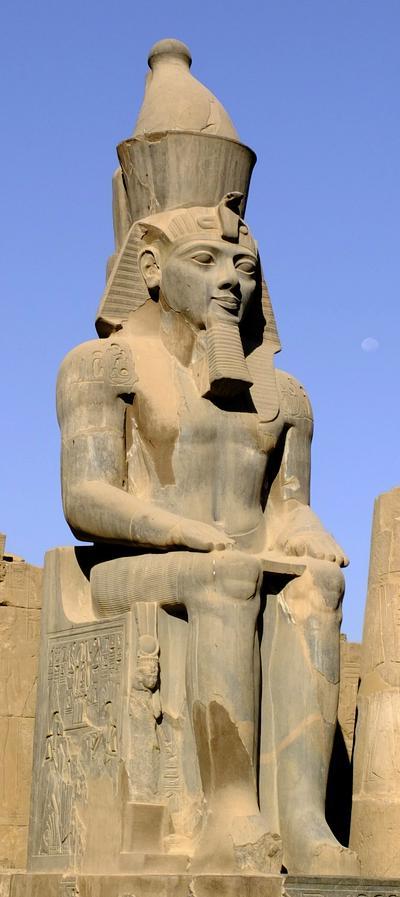
Colossal Statue of Ramesses II at Luxor, (Photo: Steven Snape).
Thursday 21 May 2026, 18:00-19:30 (UK time)
Week Five - Reshaping the Past
Many royal monuments had a long active life in which they were both revered and re-interpreted by later generations. This week, we shall look at some of the ways in which both kings and private individuals reacted to the monuments of their ancient ancestors in both positive and negative ways.
Booking and information
Register for your place in advance using the link below. Here, you can select to pay for optional add-ons. You can buy a personalised certificate for £5.99, featuring your name, the event name and start date, which will be signed by the EES Engagement Manager to confirm your attendance at this online course.
After registering, you will receive a confirmation email containing information about your booking. If you do not receive your email, then please check your junk folders before contacting the Egypt Exploration Society. The course will be held on our Zoom platform and attendees will be able to interact by asking questions, using the chat and polls. It is not necessary to have a working webcam or microphone for this course. The online course will be complemented by Google Drive, where resources will be uploaded.
Recordings will be made available for those unable to attend the live sessions! These recordings will be available via a YouTube playlist for approximately one month after the final class.
Please ensure that you have read our guide to attending EES events before the course begins.
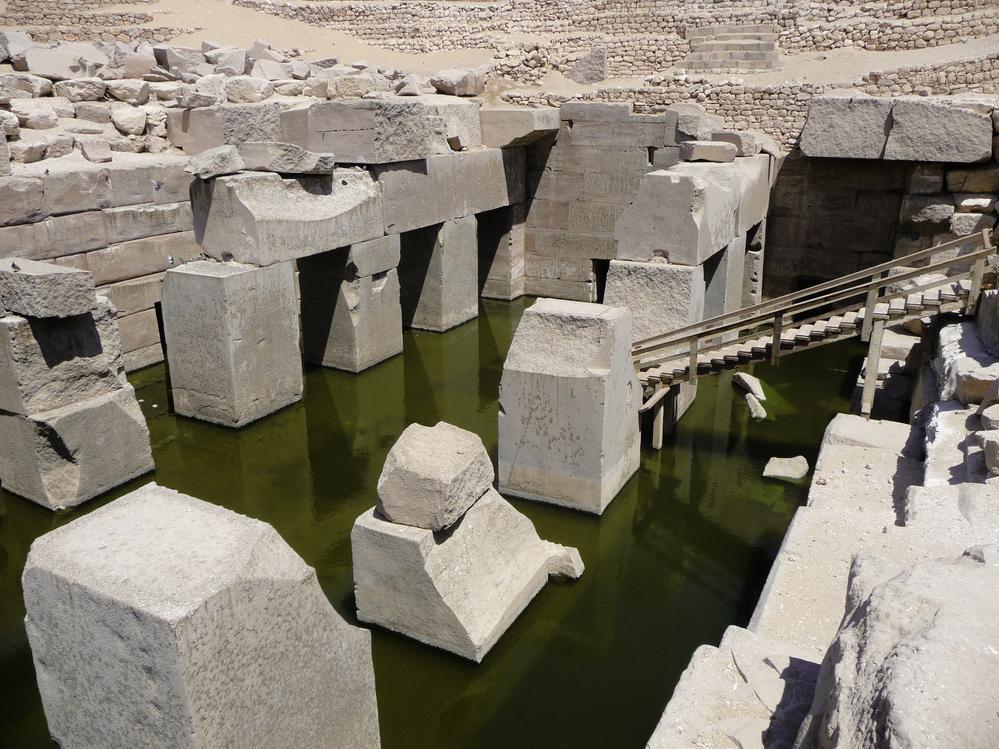
Flooded hall of the Osireion at Abydos, (Photo: Steven Snape).