Recordings will be made available for those unable to attend the live sessions!
In modern societies, we understand that our identities are complex and evolve throughout our lives. We are more than an ethnicity, nationality, or gender. Identities in ancient Egypt were as complex and varied as our modern identities.
The course will begin with the history of how Egyptology has approached the study of ancient identity. Then we will explore foodways, burials, and artistic representations to gain a better understanding of identity in ancient Egypt. The archaeological evidence will be enriched by ethnographic studies from modern Africa, which expand our understanding of the interplay between identity and objects from daily life. Our setting will be second millennium BCE Egypt, with influences from Nubia, the Levant, and Greece making appearances.
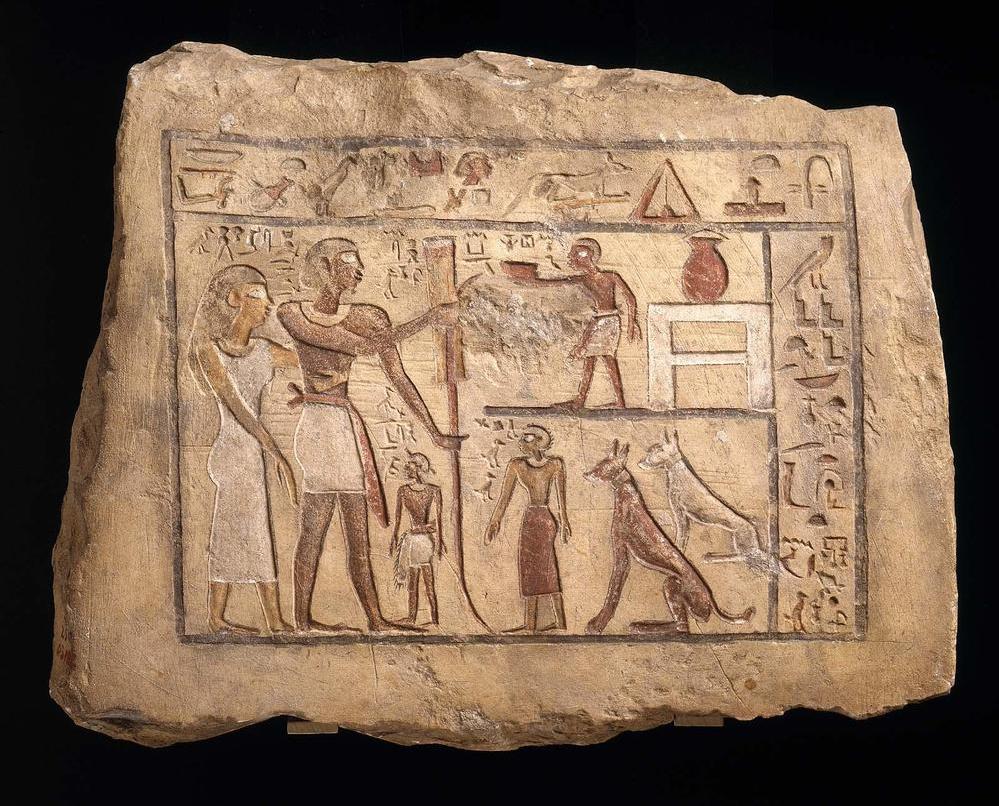
Stela of Nenu (MFA Boston 03.1848)
Participants will leave the course with a deeper understanding of the diverse cultural landscape of ancient Egypt and how identities were reflected in and influenced by material culture, food, art, language, religion, cross-cultural interactions, and more.

This course is open to anyone with an interest in ancient Egypt. General knowledge of Egyptian history or archaeology is helpful but not required. All necessary background information and concepts for each class will be introduced by the tutor.
Tutor

Dr Natasha Ayers
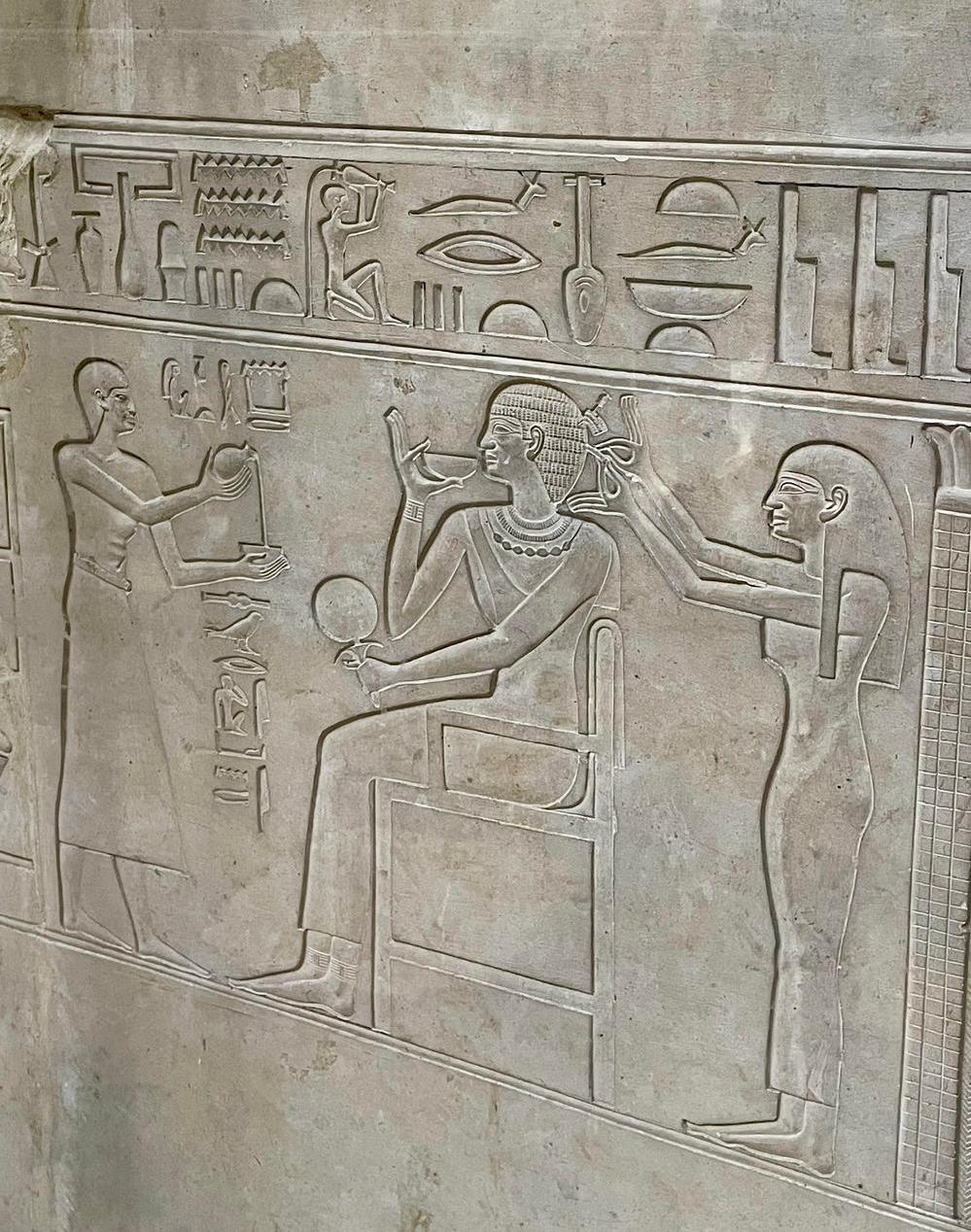
Sarcophagus of Aashyet (Photo: Natasha Ayers)
Course Outline
Please note that main content will be delivered between 18:00-19:30, though some optional participation (quizzes, Q&A, etc.) may continue beyond that time.
Thursday 10 September 2026, 18:00-19:30 (UK time)
Week One - What is identity?
In our first session, we will dive into the concept of identity and the background information needed to move into the following sessions. How is identity formed/maintained/changed? How has Egyptology approached the topic? What are the current problems for understanding identity in ancient Egypt? Relatable examples from modern life will reveal the complex layers of personal and group identity.
Thursday 17 September 2026, 18:00-19:30 (UK time)
Week Two - Ancient foodways
This session focuses on what the production, preparation, and consumption of food may reveal about identity in ancient Egypt. The bulk of the evidence will come from pottery, food remains, and scientific analyses like petrographic analysis and stable-isotope analysis. Time will be devoted to current scholarly disagreement on the meaning of ‘Nubian’ cooking pots found in settlements in Egypt.
Thursday 24 September 2026, 18:00-19:30 (UK time)
Week Three - Burial communities
There is a misconception that people across ancient Egypt followed a set of so-called ‘rules’ for how to bury the dead. Cemeteries show a remarkable range in what was acceptable or desirable in a burial. This leads to interesting questions about personal choice and access to goods in these burial communities. The excavations at Saqqara by British Egyptologist Walter B. Emery for the Egypt Exploration Society in the mid-20th century will feature prominently.
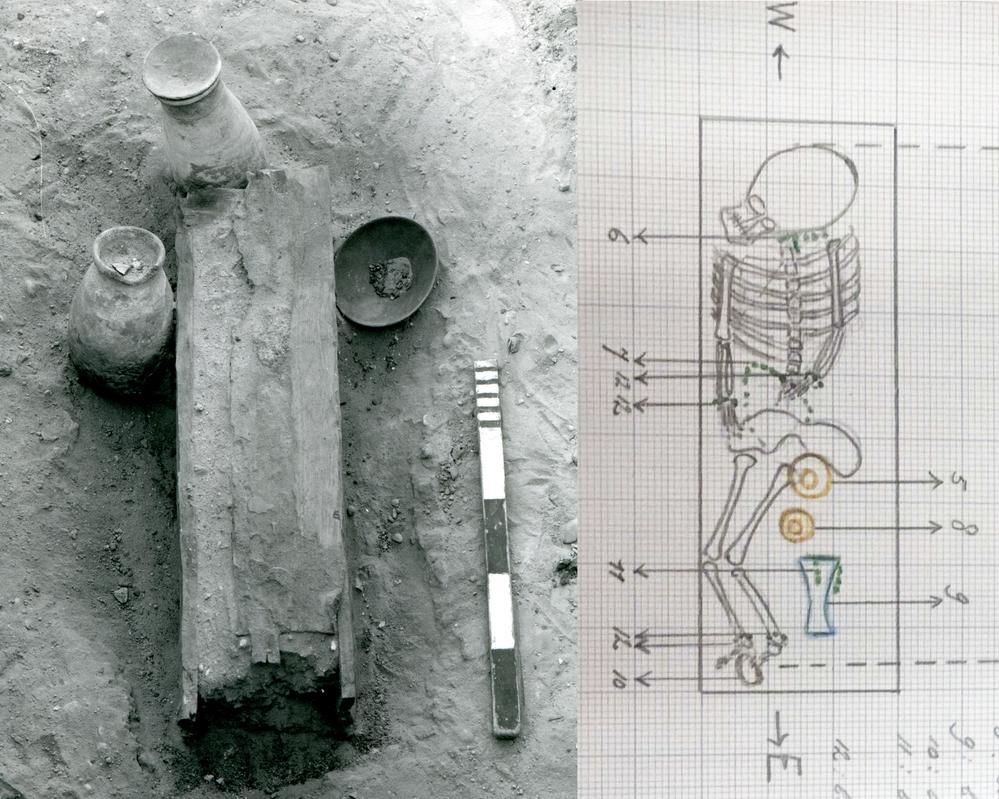
Emery's documentation of a child burial at Saqqara (EES Archive)
Thursday 1 October 2026, 18:00-19:30 (UK time)
Week Four - Identity in art and text
Egyptology is fortunate to have written records and art with representations of people. However, this evidence is not as straightforward as it may seem. Ethnic stereotypes, the writer’s/owner’s agenda, the intended audience, and even royal propaganda influence how identity is expressed through art and text. We will discuss examples from tomb decorations and funerary stelae of individuals with complex and strategic expressions of identity
Thursday 8 October 2026, 18:00-19:30 (UK time)
Week Five - Fresh perspectives on old data
In the final session, we will consider different anthropological theories and how Egyptologists can use them to view evidence for ancient identities in a new light. Also, we will discuss ethnographic studies from modern Africa, which challenge our assumptions about the relationship between objects from daily life and personal or group identity in fascinating ways.
Booking and information
Register for your place in advance using the link below. Here, you can select to pay for optional add-ons. You can buy a personalised certificate for £5.99, featuring your name, the event name and start date, which will be signed by the EES Engagement Manager to confirm your attendance at this online course.
After registering, you will receive a confirmation email containing information about your booking. If you do not receive your email, then please check your junk folders before contacting the Egypt Exploration Society. The course will be held on our Zoom platform and attendees will be able to interact by asking questions, using the chat and polls. It is not necessary to have a working webcam or microphone for this course. The online course will be complemented by Google Drive, where resources will be uploaded.
Recordings will be made available for those unable to attend the live sessions! These recordings will be available via a YouTube playlist for approximately one month after the final class.
Please ensure that you have read our guide to attending EES events before the course begins.
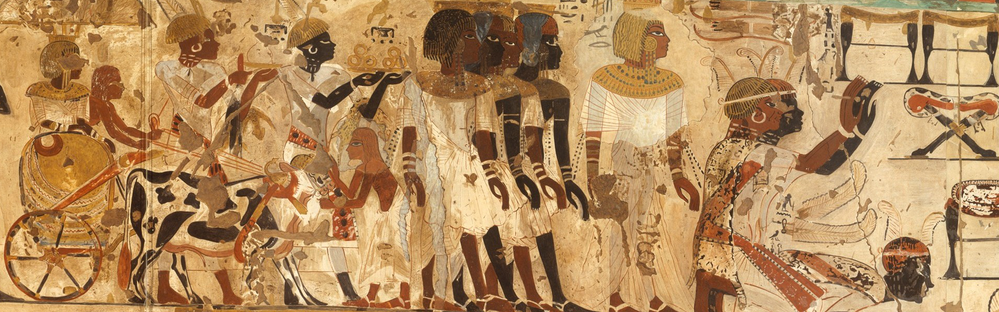
Tomb of Amenhotep Huy (TT40)